mindLAMP
An open-source platform for mobile health research and clinical care
Everything you need to run a digital health program, from participant-facing tools to data analysis, with one consistent data format.
What you can do with mindLAMP
From data collection to actionable insights, mindLAMP covers every step. Explore each capability to see real-world examples and how-to guides.
Engage Participants
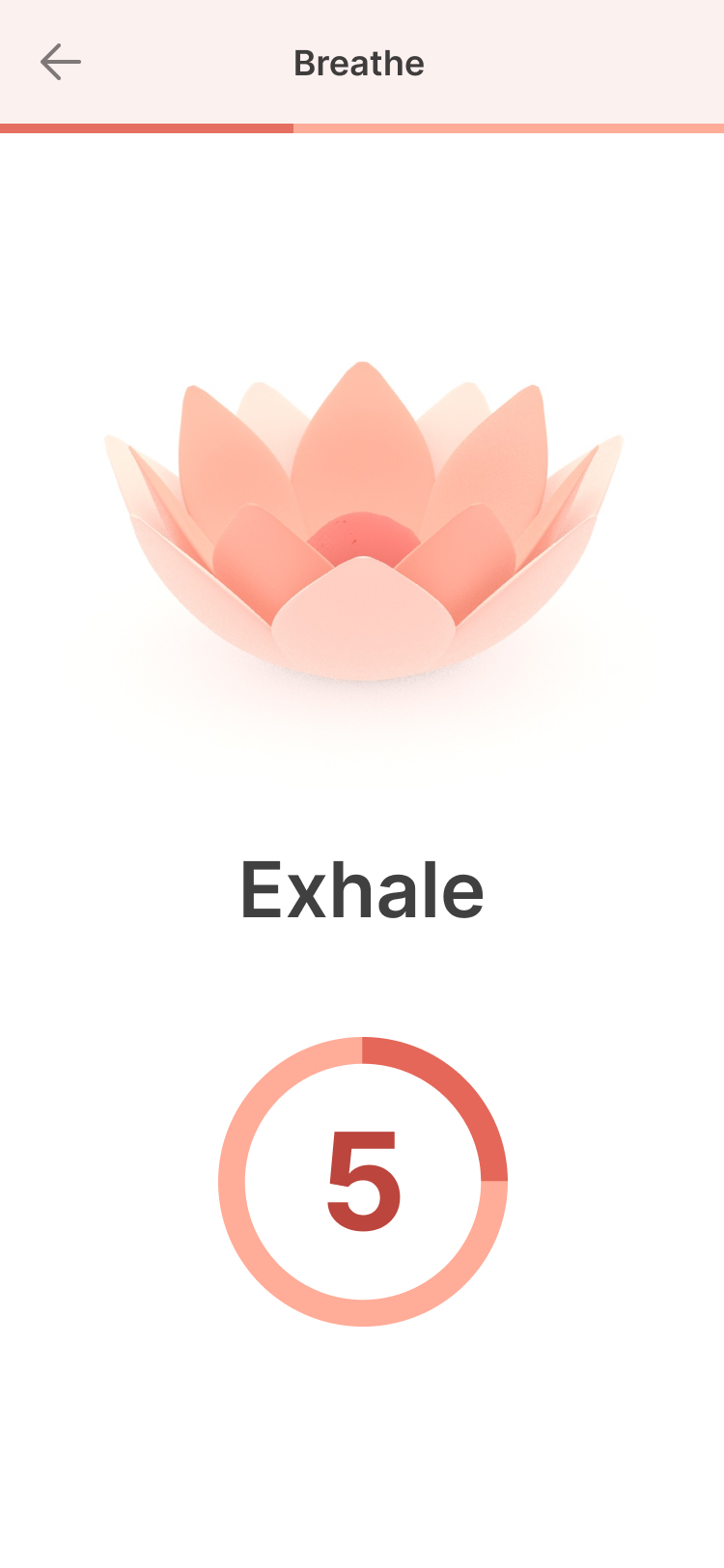
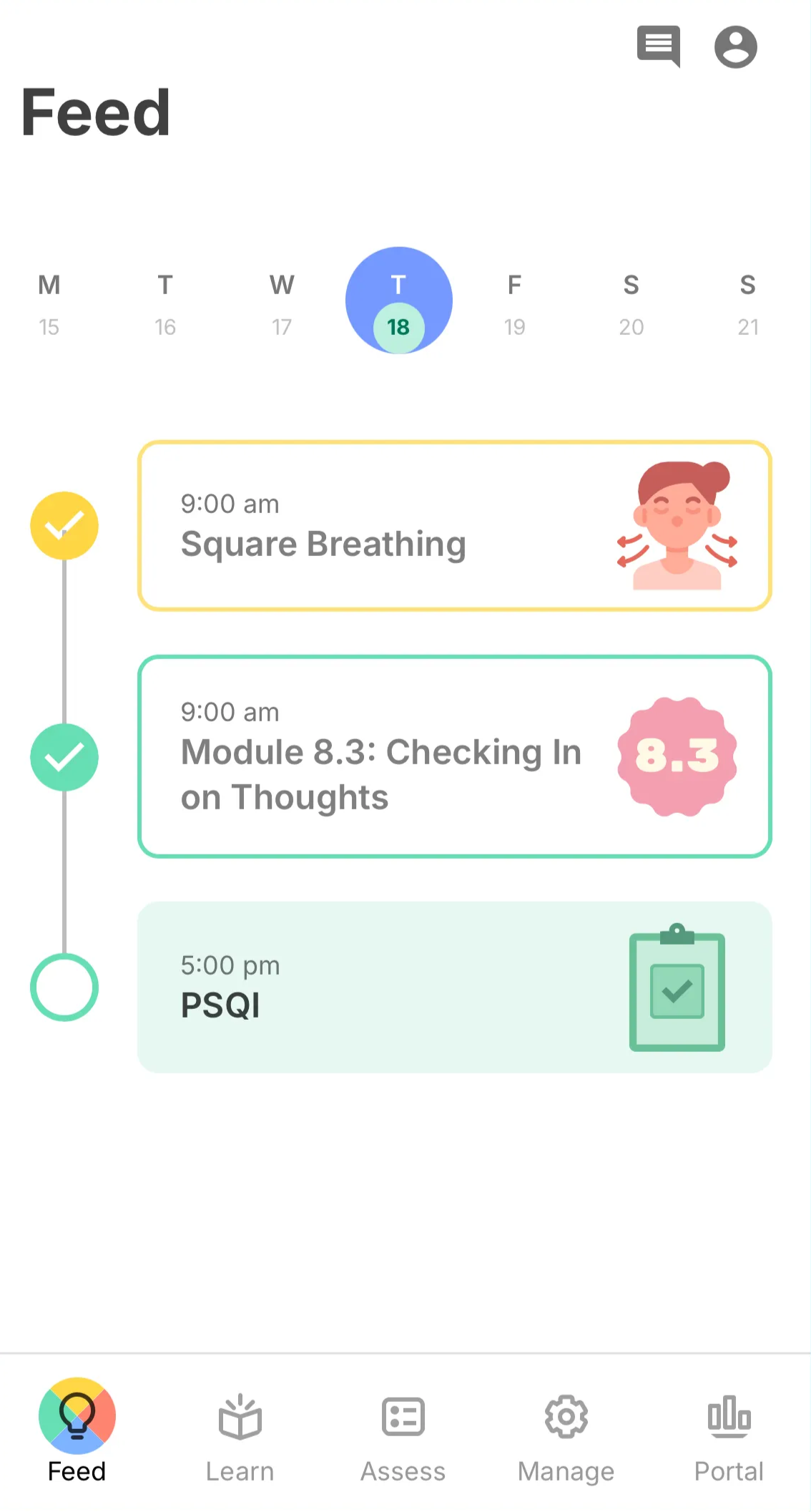
LAMP stands for Learn, Assess, Manage, and Prevent. The app gives participants a place to build skills, complete assessments, and practice wellness activities — while each project configures exactly what that looks like for their population.
Collect Rich Data
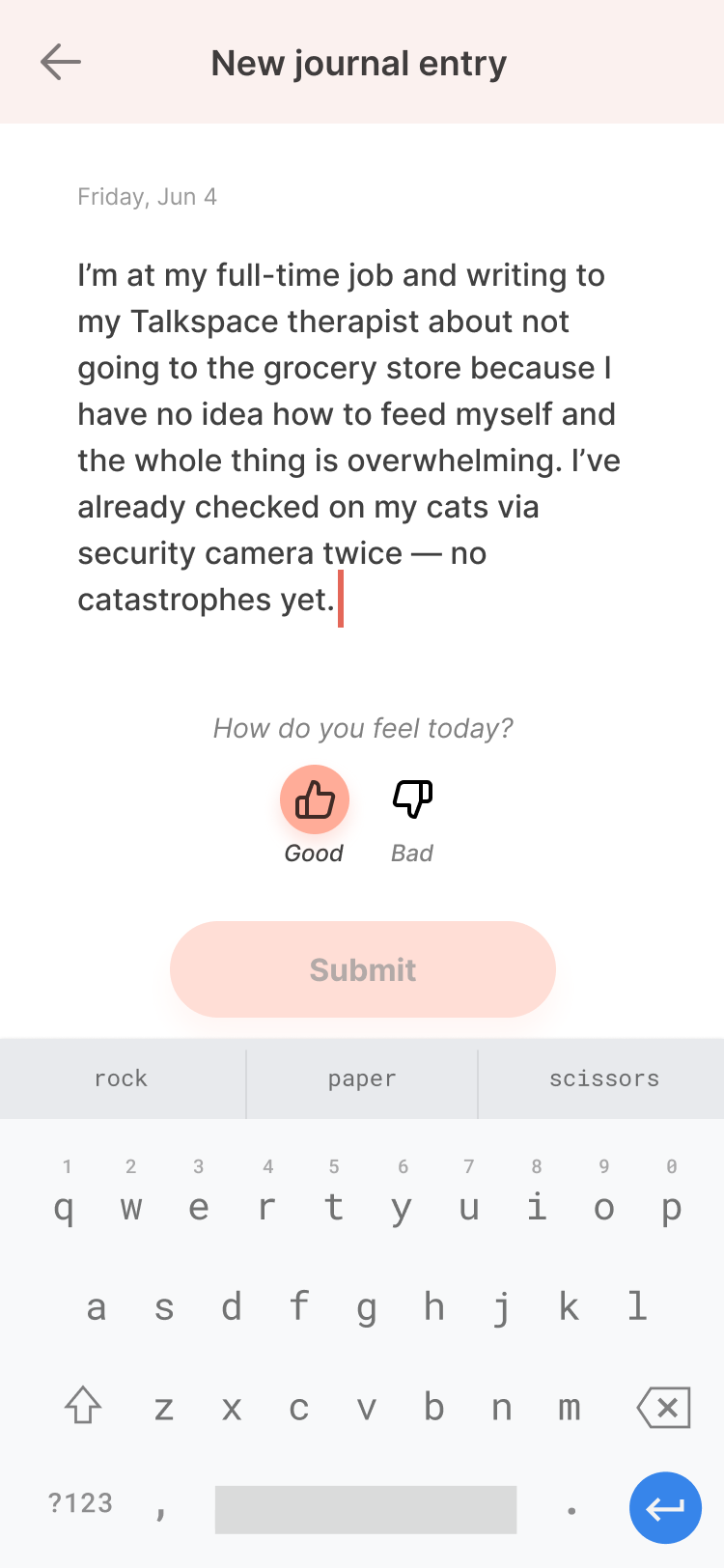
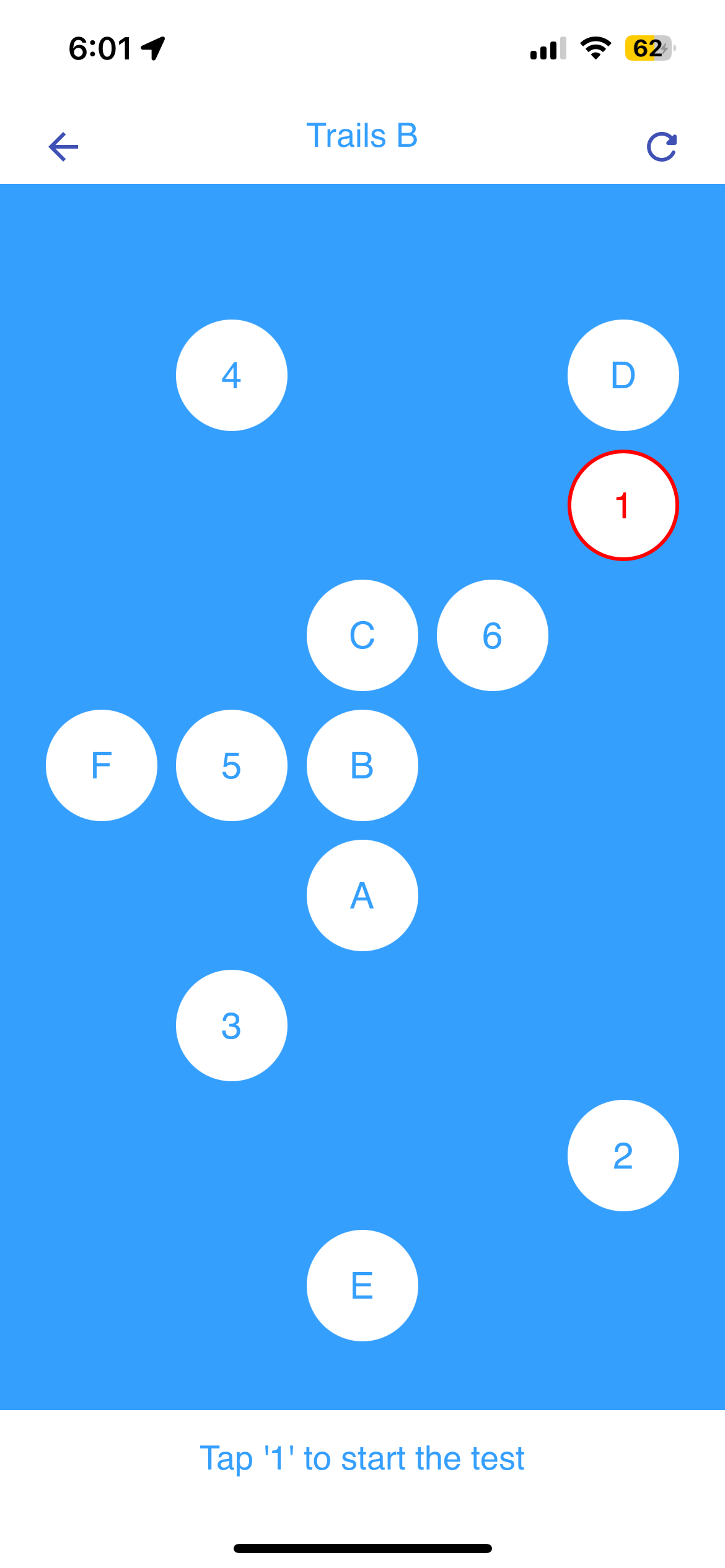
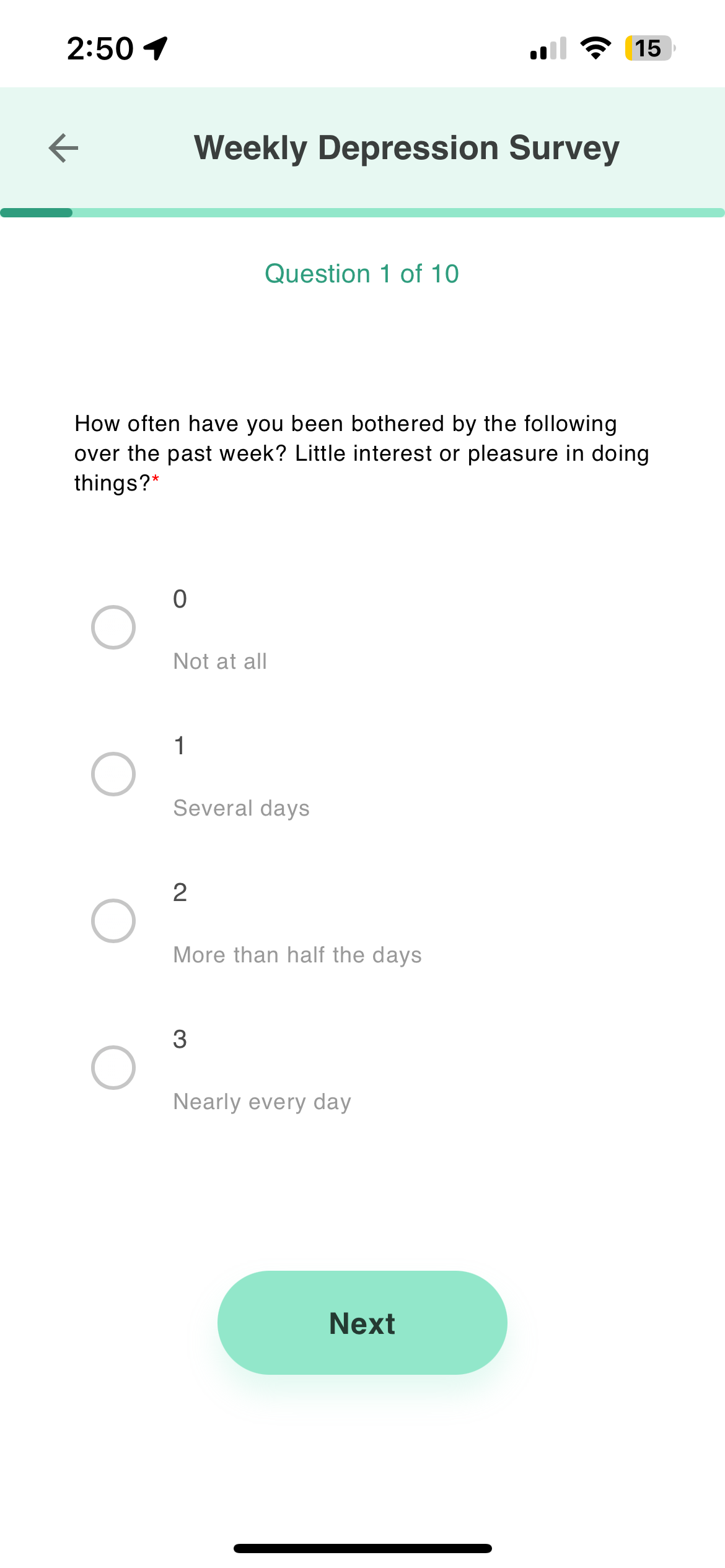
Capture rich behavioral data continuously with minimal participant burden. Background sensing and participant responses flow into one consistent format, enabling comparison across projects.
Monitor Engagement
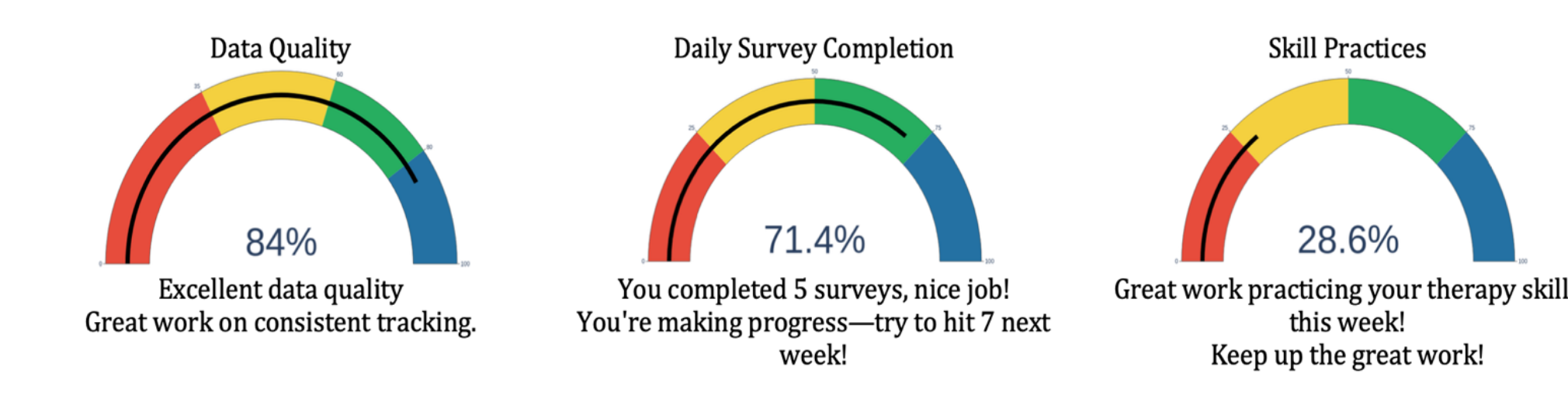
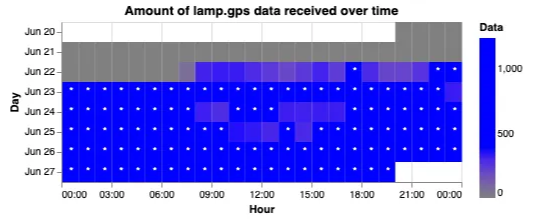
Participants, coordinators, and data scientists each get the visibility they need, from personal progress tracking to color-coded dashboards to programmatic data quality analysis.
Analyze & Visualize Outcomes
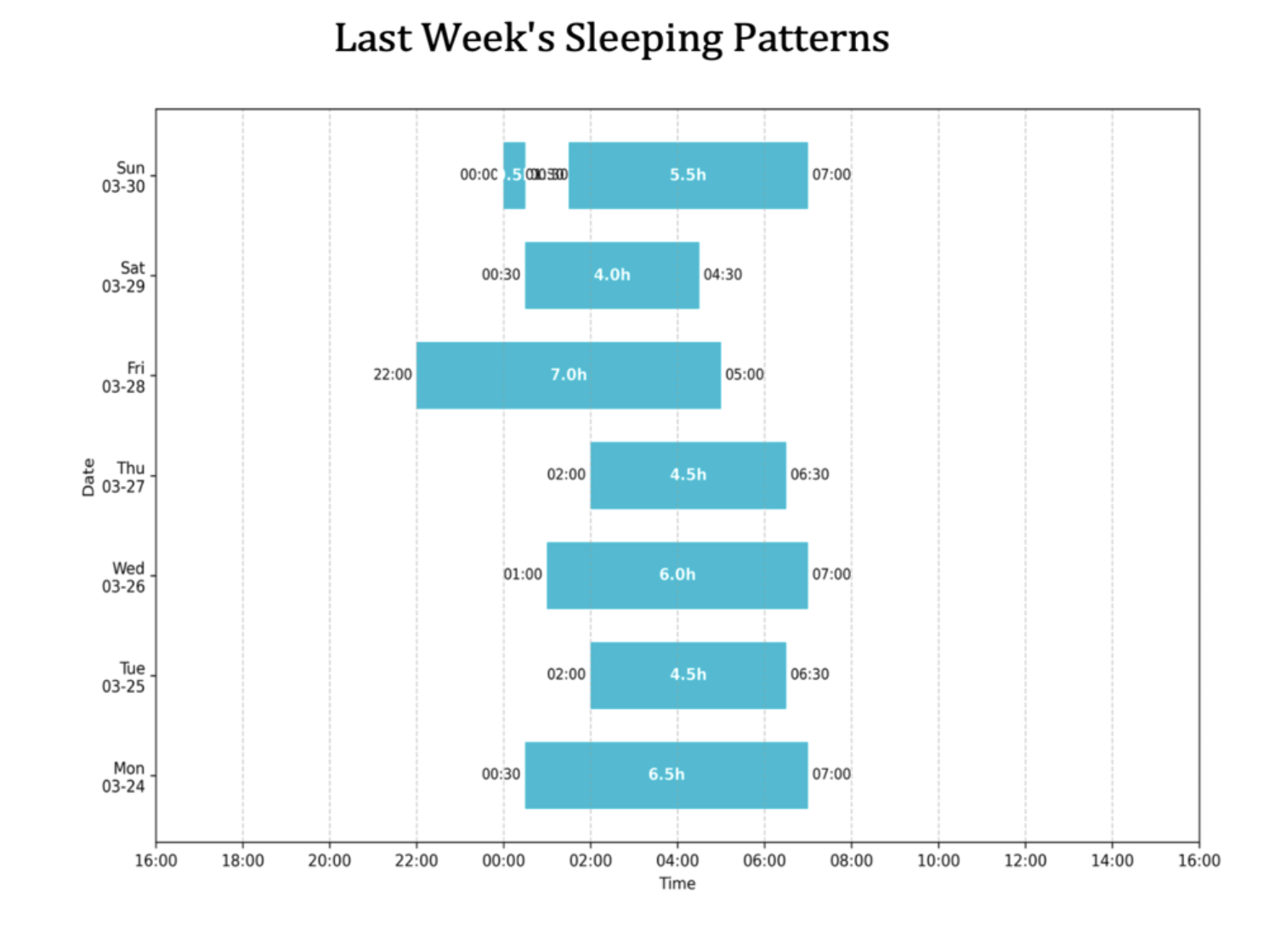
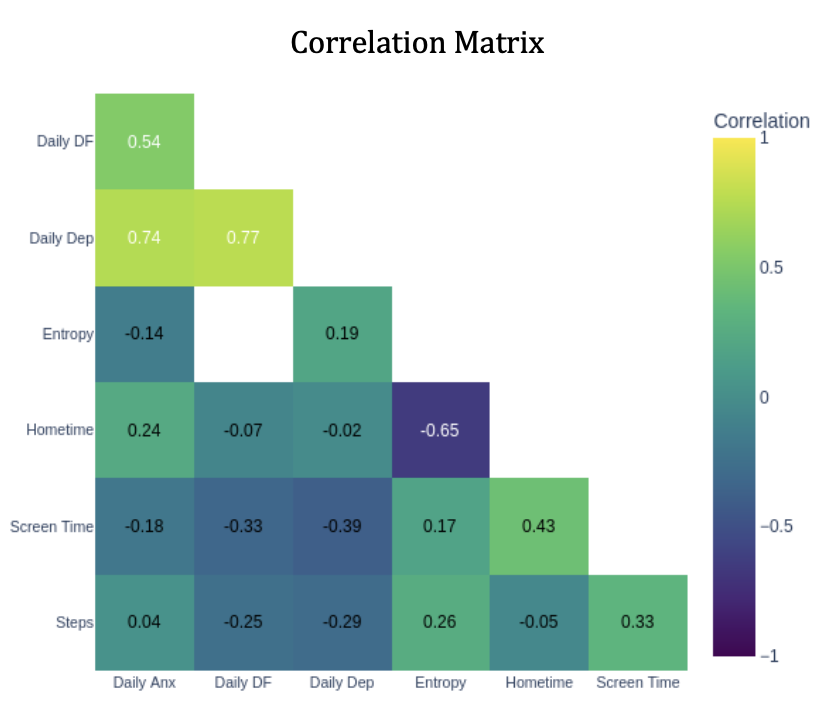
Cortex, an open-source pipeline, transforms raw sensor data into meaningful daily behavioral features. Outputs are validated across dozens of peer-reviewed studies.
Customize & Scale
One platform adapts to projects of any size and context, from a 15-person pilot to a 43-site international consortium, with flexible hosting and complete data access.
Writing a grant?
Start with Collect Rich Data and Analyze & Visualize Outcomes to describe your data strategy.
Evaluating for clinical use?
See Engage Participants and Monitor Engagement for clinical workflows.
Ready to implement?
Jump to Customize & Scale to see deployment and configuration options.
Looking for technical docs?
Browse the full documentation for app guides, API reference, and developer resources.
Proven across diverse contexts
AMP SCZ
43 sites, 5 continents
2,600+ youth at clinical high risk for psychosis
Daily check-ins and continuous sensor data collection in 9 languages
PREDiCTOR
Mount Sinai + IBM Research
Youth (15-30) seeking mental health care
Predicting outcomes using smartphone and clinical interview data
Digital Clinic
Beth Israel Deaconess
Depression & anxiety patients
7 years of continuous clinical operation
SHARP
Boston, Bengaluru, Bhopal
Adults with schizophrenia
Relapse prediction via 12-month monitoring
CAPTURE-AD
Butler Hospital
Older adults (60-77) with/without mild cognitive impairment
90% continuous data capture rate
SMART-A
Beth Israel Deaconess
Mild cognitive impairment and early Alzheimer's patients
6 novel cognitive tasks for early detection of cognitive decline
momLAMP
Brigham & Women's Hospital
Women with postpartum anxiety
8-week therapy program delivered through the app with high engagement
Safeguard
Henry M Jackson Foundation
U.S. Army soldiers
Life skills training for suicide prevention
Why teams choose mindLAMP
Truly Modular
Configure activities, schedules, groups, app layout, and sensor collection without writing code.
Consistent Data Format
Every project produces data in the same structure, making it easy to compare across sites and populations.
Real-Time Quality Monitoring
Catch missing data before it becomes a problem. Dashboards flag participants who need outreach.
Open Source
Inspect, modify, and extend the code. Adapt the platform as your needs evolve.
10 Languages
English, Spanish, French, Hindi, German, Italian, Korean, Danish, Chinese (Simplified & Traditional).
Expert Support
The Core team at BIDMC guides you from initial setup through ongoing operation and troubleshooting.
How we support you
The mindLAMP Core team at Beth Israel Deaconess Medical Center provides expert support at every stage of your project.
Consult
Understand your goals and identify the right approach
Design
Plan your setup based on what has worked in similar projects
Configure
Set up the platform to match your specific requirements
Monitor
Track quality and engagement in real-time
Support
Ongoing troubleshooting and assistance
With 8+ years of continuous clinical and research operation, the Core team brings operational expertise so you can focus on what matters.